Elevating Childhood Spaces: The Practical and Playful World of Bunk Beds for Kids
Bunk beds are a traditional fixture in children's rooms, and for good factor. They provide a creative solution to spatial obstacles, inject a component of enjoyable and experience into bedtime, and can even add to a child's advancement and sense of independence. More than just a place to sleep, bunk beds have actually progressed into versatile furniture pieces that cater to varied requirements and preferences. From optimizing flooring space in smaller sized spaces to cultivating brother or sister friendship, bunk beds present a multitude of benefits for households. This post will explore the world of bunk beds for kids, exploring their benefits, different types available, essential security factors to consider, and how to pick the perfect one to boost your child's space.
Unstacking the Benefits: Why Bunk Beds are a Smart Choice
The popularity of bunk beds is rooted in their practical benefits and the distinct appeal they hold for children. Picking bunk beds for a child's room can use a series of benefits, impacting both the performance of the area and the children's experience within it.
Here are some essential benefits of incorporating bunk beds into your kids' space:
- Space Optimization: This is probably the most substantial benefit. By vertically stacking sleeping spaces, bunk beds maximize substantial flooring area. This newfound space can be utilized for a play area, a research study zone, extra storage, or merely to make a smaller room feel more open and less messy. In compact homes or shared bed rooms, this space-saving function is indispensable.
- Sibling Bonding and Shared Experiences: For siblings sharing a room, bunk beds can foster a sense of camaraderie. The shared experience of sleeping in close proximity can enhance their bond and develop lasting childhood memories. The spirited component of picking the "top bunk" or "bottom bunk" can become an enjoyable day-to-day ritual.
- Enjoyable and Adventure: Bunk beds typically hold a wonderful appeal for children. The leading bunk can seem like a secret hideaway or a mini-fortress, stimulating creative play. Ladders and stairs become adventurous routes to climb, turning bedtime into less of a chore and more of an amazing part of the day.
- Maximizing Functionality: Many modern-day bunk bed designs go beyond simply two beds. They frequently incorporate integrated storage options like drawers under the bottom bunk or shelving units incorporated into the frame. Kory Estrello include desks or research study areas below the top bunk, further enhancing the performance of the furniture and the space.
- Cost-Effectiveness (Potentially): In homes with numerous children, acquiring a single bunk bed system can be more cost-effective than purchasing 2 different single beds. This can be a substantial consideration for households seeking to provide a children's space on a budget.
Exploring the Variety: Types of Bunk Beds to Consider
The world of bunk beds is surprisingly varied. Makers use a large array of designs and setups to match different room layouts, aesthetic choices, and functional requirements. Comprehending the different types can help you narrow down your choices and pick the best alternative for your child's space.
Here are some common types of bunk beds available:
- Standard Bunk Beds: This is the most classic and identifiable style. It includes two beds stacked straight on top of each other, typically with a ladder for access to the top bunk. Basic bunk beds are space-efficient and simple in style, making them a popular choice for many households.
- L-Shaped Bunk Beds: In this setup, the leading bunk is located perpendicularly to the bottom bunk, forming an "L" shape. This design creates more open area underneath the leading bunk, which can be utilized for a backyard, a desk, or additional storage. L-shaped bunk beds are particularly effective in corner spaces and can supply a more large feel to the room.
- Trundle Bunk Beds: Trundle bunk beds include a 3rd bed that moves out from underneath the bottom bunk on wheels. This is an excellent alternative for accommodating sleepovers or for families who sometimes need a beauty sleep space without completely using up more space. The trundle bed can be quickly hidden when not in use.
- Futon Bunk Beds: These bunk beds combine a standard top bunk with a futon sofa bed on the bottom. The futon can serve as a seating area throughout the day and convert into a bed during the night. Futon bunk beds are ideal for spaces that require to function as both a bed room and a living or play area, offering flexibility and versatility.
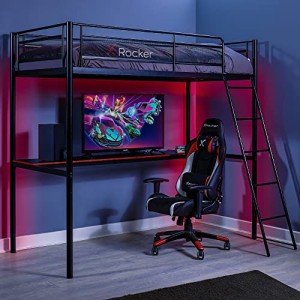
- Loft Beds: While technically not a bunk bed in the standard sense, loft beds are carefully associated. They feature a single elevated bed, producing a considerable area beneath that can be made use of in various ways. Typical uses for the under-bed location include a study desk, a play area, a seating nook, or perhaps clothes storage. Loft beds are excellent for older children and teens who require a devoted study or work space in their rooms.
- Novelty Bunk Beds: For those looking for a more lively and creative touch, novelty bunk beds been available in a vast array of enjoyable themes. These can be shaped like vehicles, castles, fire trucks, houses, or other creative styles. Novelty bunk beds can include a strong ornamental element to a child's room and trigger their creativity, making bedtime more amazing.
Safety First: Prioritizing Well-being with Bunk Beds
While bunk beds offer numerous benefits, safety should be the vital consideration when selecting and using them, particularly for children. Mishaps can happen if appropriate safety precautions are not taken.
Here are essential security guidelines to remember concerning bunk beds:
- Guardrails are Non-Negotiable: Ensure the top bunk has sturdy guardrails on all sides, high enough to prevent unexpected falls throughout sleep. The guardrails need to be safely attached and routinely examined for stability.
- Ladder Safety: The ladder needs to be firmly connected to the bunk bed frame and developed for easy and safe climbing. Look for ladders with broad, slip-resistant actions. Teach children the correct way to climb up and descend the ladder, emphasizing the importance of facing the ladder and utilizing both hands.
- Bed Mattress Size and Height: Use the proper mattress size advised by the bunk bed producer. The mattress must not be too thick, as it could reduce the efficiency of the guardrails and reduce the safe range between the mattress top and the leading edge of the guardrail.
- Weight Limits: Adhere strictly to the producer's weight limitations for both the top and bottom bunks. Overwhelming the bunk bed can compromise its structural stability and lead to accidents.
- Age Recommendations: Bunk beds are generally not advised for children under the age of six. Younger children might lack the coordination and awareness needed to securely rise and navigate the top bunk. The American Academy of Pediatrics advises that children under 6 need to not sleep on the leading bunk.
- Appropriate Assembly: Follow the manufacturer's directions carefully when putting together the bunk bed. Guarantee all screws and bolts are tightened correctly and that all parts are safely fitted. Inappropriate assembly can result in instability and security dangers.
- Space Height Clearance: Check the ceiling height of the room to ensure there is appropriate headroom above the top bunk for the child to sit up easily without hitting their head.
- No Hanging Objects: Advise children against hanging anything from the bunk bed frame, especially ropes, cords, or belts, as these can pose strangulation risks.
- Routine Inspections: Periodically examine the bunk bed for any indications of wear and tear, loose screws, or damage. Attend to any concerns without delay to preserve safety.
Choosing the Right Bunk Bed: A Guide to Informed Decisions
Selecting the ideal bunk bed for your child's room includes thinking about numerous elements to guarantee it satisfies your needs and supplies a safe and comfortable sleeping environment.
Here are some crucial considerations when selecting a bunk bed:
- Room Size and Layout: Measure the dimensions of the room and consider its design. This will assist figure out the suitable size and configuration of the bunk bed. For smaller sized spaces, standard or trundle bunk beds may be perfect. For larger or awkwardly shaped rooms, L-shaped or loft beds might be better.
- Number of Children: Consider the number of children will be using the bunk bed. For 2 children, a standard bunk bed is usually sufficient. For more than 2 children or for frequent slumber parties, consider trundle bunk beds or combinations of bunk beds and single beds.
- Design and Aesthetics: Choose a bunk bed style that matches the space's decoration and your child's preferences. Bunk beds are offered in various materials, colors, and designs, from timeless wood to modern-day metal frames.
- Material and Durability: Opt for bunk beds made from strong and long lasting products like strong wood or strong metal. Make sure the building and construction is robust and constructed to stand up to the rigors of children's use.
- Budget: Bunk beds are readily available at numerous price points. Identify your budget plan and check out choices within that variety, balancing cost with quality and security features.
- Future Needs: Consider your child's age and possible future requirements. Will the bunk bed still be suitable as they grow older? Some bunk beds can be separated into 2 single beds if needs change in the future, offering higher versatility.
Creating a Kid-Friendly Haven: Decorating Around Bunk Beds
Bunk beds are not simply practical furniture pieces; they can likewise become a centerpiece in a child's room and add to its general ambiance. Embellishing around bunk beds can enhance their appeal and create an enjoyable and welcoming area for children.
Think about these embellishing concepts:
- Thematic Décor: Tie the space's design to the design of the bunk bed. A novelty bunk bed can inspire a themed room, such as a castle-themed room for a castle bunk bed or a race vehicle style for a car-shaped bed.
- Under-Bunk Area Utilization: Maximize the space under loft beds or L-shaped bunk beds by producing a comfortable reading nook, a backyard with rugs and cushions, or a study zone with a desk and chair.
- Individualized Touches: Allow children to personalize their bunk bed area with their favorite decorations, such as fairy lights, posters, or little toys. This can make their sleeping area seem like their own special domain.
- Storage Solutions: Utilize storage solutions that match the bunk bed design. Think about storage bins under the bottom bunk, shelving systems on the side of the bunk bed, or wall-mounted shelves to keep the room organized and clutter-free.
Conclusion: Elevating Spaces, Enhancing Childhoods
Bunk beds are more than simply space-savers; they are flexible furniture pieces that can substantially enhance a child's room, cultivating fun, performance, and a sense of shared experience. By understanding the benefits, checking out the various types available, prioritizing security, and making informed choices, moms and dads can choose the perfect bunk bed to produce a comfortable, lively, and well-organized area for their children, contributing favorably to their youth experiences.
Frequently Asked Questions (FAQs) about Bunk Beds for Kids
Q1: At what age is it safe for a child to sleep on the top bunk?A: It is typically suggested that children ought to be at least 6 years old to sleep on the top bunk. More youthful children may not have the essential coordination and awareness to use the top bunk securely.
Q2: Are bunk beds safe?A: Yes, bunk beds can be safe when picked and used correctly. Adhering to security standards such as guaranteeing guardrails remain in place, utilizing a safe ladder, following weight limits, and frequently examining the bed is important for safety.
Q3: What type of bed mattress is best for a bunk bed?A: Use a mattress that is the right size and density as recommended by the bunk bed manufacturer. Typically, thinner mattresses are chosen for leading bunks to keep a safe distance between the bed mattress top and the top edge of the guardrail.
Q4: Are bunk beds tough to assemble?A: Assembly difficulty can vary depending upon the bunk bed style and manufacturer. Normally, following the manufacturer's directions carefully is essential. It is frequently practical to have 2 individuals for assembly, particularly for bigger or more complicated bunk bed models.
Q5: How do you clean a bunk bed, particularly the leading bunk?A: Cleaning the leading bunk can be a little difficult due to its height. Using a long-handled duster or vacuum attachment can help reach greater locations. For more thorough cleansing, you might need to climb up a stepladder or request help to access the top bunk easily and securely. Regular cleaning and vacuuming are necessary to preserve cleanliness.